Corporate governance is the system by which our organisation is managed, directed, and held accountable.
Sound corporate governance means:
-
achieving our strategic objectives
-
being accountable for our decisions and actions
-
fulfilling legal requirements
-
complying with privacy obligations
-
ensuring the Legal Aid Queensland Act’s requirements and philosophy are met
- managing risks
-
monitoring, reporting on and evaluating our performance
-
meeting government and community expectations.
Our corporate governance structure provides leadership in achieving our strategic and operational objectives (see Figure 1 for more information).
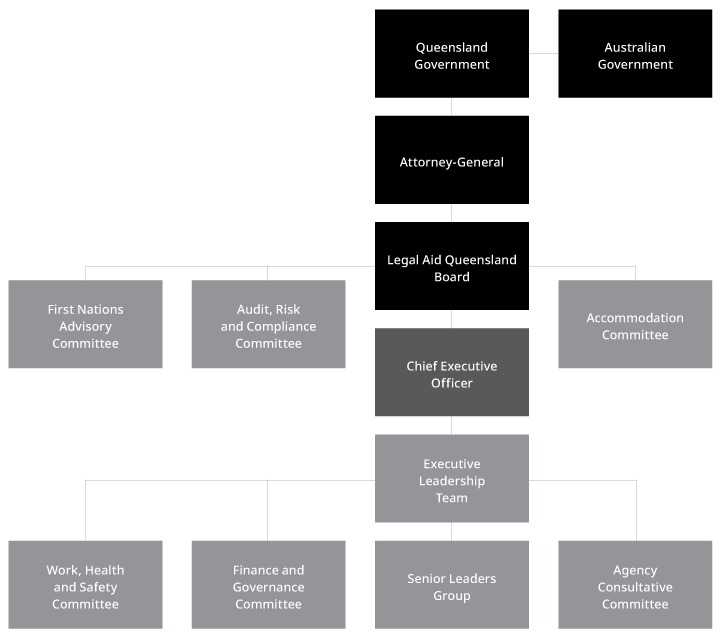 Figure 1. Corporate governance structure
-
Queensland Government
- Item 2 is on same level
- Item 3 reports to this item
-
Australian Government
-
Attorney General
- item 4 reports to this item
-
Legal Aid Queensland Board
- Items 5, 6, 7 and 8 report to this item
-
First Nations Advisory Committee
-
Audit, Risk and Compliance Committee
-
Chief Executive Officer
- Item 9 reports to this item
-
Accommodation Committee
-
Executive Leadership Team
- Items 10, 11, 12 and 13 report to this item
-
Work, Health and Safety Committee
-
Finance and Governance Committee
-
Senior Leaders Group
-
Agency Consultative Committee
Legal Aid Queensland Board
The Legal Aid Queensland Board (the board) is responsible for governing Legal Aid Queensland and ensuring the organisation achieves its objectives. The board is our organisation’s governing body and is responsible to the Attorney-General.
The board decides the organisation’s priorities and strategies, leads policy direction and ensures sound and prudent financial management.
The board usually has 5 members. Each member has specific knowledge or experience that helps in the organisation’s management. The areas of expertise include public administration, financial management, and law and legal services provision. The board is headed by a chairperson, who is appointed by the Governor in Council. Board members are appointed by the Governor in Council usually for 3-year terms (see Table 1 for more information). The chief executive officer (CEO), senior executive directors and chief finance officer (CFO) are invited to attend all board meetings. Senior Leaders Group members also attend as needed to present papers and discuss issues with the board.
Board members
The Hon Paul de Jersey AC CVO KC
Board chairperson since February 2025
Former Chief Justice and Governor of Queensland, the Hon Paul de Jersey AC CVO KC, began his legal career with a call to the bar in 1971 before taking silk in 1981 and being appointed to the Supreme Court in 1985. He was Chief Justice of Queensland from 1998 until 2014 when he was appointed as Queensland Governor.
Paul has demonstrated an unwavering commitment to charitable and community work over many decades, including as president of the Australian Cancer Society and Chair of the Queensland Cancer Fund.
He was made a Companion of the Order of Australia in recognition of his extensive community involvement in 2000.
Spencer Browne
Board member since September 2021
Cairns-based lawyer Spencer Browne has a wealth of experience in private practice and the not-for-profit sector. Spencer graduated from James Cook University in 2009 with a Bachelor of Arts/Bachelor of Laws and obtained his Graduate Diploma in Legal Practice from the Australian National University in 2010. He was an associate to 2 District Court judges, before practising in planning and environmental law and commercial litigation. He is the North Queensland Law Association’s longest-serving president and currently sits as the organisation’s treasurer.
Spencer has a keen interest in Aboriginal and Torres Strait Islander affairs and has spent the past 10 years doing legislative compliance work in the Aboriginal Community Controlled Health Organisation sector. He has organised a major youth-based event in north Queensland for the past 10 years, focusing on reducing youth crime and recidivism.
Avelina Tarrago
Board member since May 2023
Avelina Tarrago was admitted as a legal practitioner in the Supreme Court of Queensland in 2009 before being called to the bar in 2017. She has a general practice with a focus on inquests and Commissions of Inquiry, regulatory and administrative law. Avelina has held senior roles in a range of organisations, including senior legal officer for the Office of the Health Ombudsman (Queensland) and counsel assisting in the Coroners Court of Queensland. She has been a federal prosecutor with the Commonwealth Director of Public Prosecutions and has also worked for the Australian Securities and Investment Commission.
She also sits as a legal member of the Mental Health Review Tribunal. Avelina was the president of the Indigenous Lawyers Association of Queensland from 2018–22, and in 2014, she was selected as an Indigenous Fellow by the Office of the High Commissioner of Human Rights to undertake a 2-month fellowship in Geneva.
Mike Anstee
Board member since May 2023
Mike Anstee is an experienced procurement and project manager, with more than 25 years’ experience in leadership roles in the construction industry and Queensland public service. A qualified architect, Mike has held senior positions in the Department of Public Works, including Director, Health, Law and Order Portfolio, where he was involved with designing and constructing major projects including correctional facilities at Gatton, Townsville, Lotus Glen and Brisbane, and the development of the new Brisbane higher courts complex and Ipswich courthouse. He was a member of steering committees directing the development of major capital works projects in Queensland, including the Gold Coast University Hospital, Sunshine Coast University Hospital and Royal Children’s Hospital.
Matilda Alexander
Board member since August 2024
Matilda Alexander is the CEO of Queensland Advocacy for Inclusion and has more than 20 years’ experience in human rights law and leadership, including at Queensland Advocacy for Inclusion, Prisoners’ Legal Service and the LGBTI Legal Service. She has also lectured at Griffith University and practised human rights law at the Queensland Human Rights Commission and Legal Aid Queensland. Matilda’s work with vulnerable communities has been recognised with numerous awards, and she has been selected 3 times as a delegate to the United Nations Conference of State Parties to the Convention on the Rights of Persons with Disabilities in New York. Matilda is patron of the LGBTI Legal Service, and is appointed to the Independent Ministerial Advisory Council, Queensland Disability Advisory Council, LGBTIQ+ Roundtable and the National Strategy Advisory Group.
Accommodation Committee
The Accommodation Committee is a sub-committee of the Legal Aid Queensland Board and acts in an advisory capacity to the board. The committee assesses the long- term accommodation needs and options for our offices around the state.
The committee’s primary functions include:
The committee comprises:
- Legal Aid Queensland Board member Mike Anstee (chairperson).
The meeting is also attended by:
-
CEO Nicky Davies
-
Corporate Services senior executive director Kelly Camden
-
Legal Practice senior executive director Peter Delibaltas
-
Client and Partner Services senior executive director Amber Buckland
-
CFO Grant Tanham-Kelly
-
Facilities and procurement manager Jeffrey Patterson
-
other stakeholders and staff members to provide specialist advice as needed.
Mike Anstee received remuneration for his attendance and representation in addition to the remuneration he received for attending board meetings.
Legal Aid Queensland Board
Table 1. Legal Aid Queensland Board information 2024–25
|
Act or instrument
|
Legal Aid Queensland Act 1997
|
|
Functions
|
Responsible for governing Legal Aid Queensland and ensuring the organisation achieves its objectives. The board decides the organisation’s priorities and strategies, leads policy direction and ensures sound and prudent financial management.
|
|
Achievements
|
Key achievements included:
-
approving the Operational Plan 2024–25
-
approving the Legal Aid Queensland Strategic Plan 2024–28
-
approving the draft Legal Aid Queensland Strategic Plan 2025–29
-
approving the Workplace Strategy 2025–30
-
approving the 2023–24 financial statements
-
approving the draft Legal Aid Queensland Modern Slavery Statement 2023–24
-
approving the 3-year appointments of 2 new independent members of the Audit, Risk and Compliance Committee
-
approving proposed changes to the Grants Policy Manual to support funding applicants for legal assistance in community safety order matters and the proposed grants of aid model to deliver funding for them
-
approving the delegation to the CEO the authority to approve appointing private solicitors and barristers as external review officers
-
approving the investment in the QIC Long Term Diversified Fund
-
approving payment of superannuation on Legal Aid Queensland employees’ parental leave
-
monitoring work, health and safety incidents and implementation of the Workforce Action Plan, ICT Strategic Plan and Financial Strategy.
|
|
Financial reporting
|
Not exempted from Audit by the Auditor-General and transactions of the entity are accounted for in the financial statements.
|
Remuneration
|
|
Position
|
Name
|
Meetings/sessions a attendance
|
Approved annual, sessional or daily fee $
|
Approved sub-committee fees if applicable $
|
Actual fees received $
|
|
Board chairperson, First Nations Committee member
|
Paul de Jersey AC CVO KC
|
6 (5 board meetings and 1 subcommittee meeting)
|
20,000
|
2,000
|
9,292
|
|
Board chairperson
|
Margaret McMurdo AC
|
6 (board meetings)
|
20,000
|
2,000
|
13,697
|
|
Board member, Audit, Risk & Compliance Committee chairperson
|
Sandra Deane
|
3 (2 board meetings, 1 sub-committee meeting)
|
10,000
|
2,500
|
1,590
|
|
Board member
|
Matilda Alexander
|
8 (board meetings)
|
10,000
|
-
|
11,150
|
|
Board member, First Nation Committee chairperson
|
Avelina Tarrago
|
12 (8 board meetings and 4 subcommittee meetings)
|
10,000
|
2,500
|
13,261
|
|
Board member, Accommodation Committee chairperson
|
Mike Anstee
|
15 (8 board meetings and 7 accommodation committee meetings)
|
10,000
|
2,500
|
13,571
|
|
Board member, Audit, Risk & Compliance Committee member
|
Spencer Browne
|
16 (7 board meetings, 9 sub-committee meetings)
|
10,000
|
2,500
|
10,787
|
|
No. scheduled meetings/sessions
|
28 (10 board meetings, including 1 special board meeting and 17 sub-committee meetings)
|
|
Total out of pocket expenses
|
$73,349.00
|
Audit, Risk and Compliance Committee
The Audit, Risk and Compliance Committee is a sub- committee of the Legal Aid Queensland Board and acts in a review and advisory capacity to the board. The committee provides independent assurance and assistance to the board on our financial administration and reporting, audit control and independence, legal compliance, internal controls, and risk oversight and management.
The committee’s key achievements in 2024–25 included:
-
appointing 2 new independent committee members in line with Queensland Treasury Audit Committee Guidelines
-
continuing to review the charter annually to ensure ongoing effectiveness of the committee’s authority, objectives and responsibilities
-
continuing to advise on better practice governance trends
-
reviewing the 2023–24 end of financial year statements before signing by the board chairperson and CFO
-
reviewing the external auditor’s recommendations from the 2023–24 audit and 2024–25 interim audit
-
reviewing the organisation’s strategic risks register and overseeing the register’s maintenance
-
reviewing the compliance assurance tools and endorsing the ongoing bi-annual compliance reporting program.
-
continuing to monitor the internal audit program and working closely with the Queensland Audit Office.
There were no independent reviews of Legal Aid Queensland conducted, therefore no significant findings or issues identified.
The committee comprises:
-
Legal Aid Queensland Board member Sandra Deane (chairperson 1 July–24 August 2024)
-
Legal Aid Queensland Board member Spencer Browne (member 1 July–24 August 2024) (chairperson 25 August 2024–30 June 2025)
-
a Queensland Treasury representative (1 July 2024–8 November 2024)
-
a Department of Justice Financial Services representative (1 July 2024–27 January 2025)
-
Jeanette Shanahan, external committee member, independent financial management, regulatory compliance and audit practices specialist
-
Kathryn Campbell, external committee member, independent governance, risk management, finance, cyber security, information management and digital specialist (1 February–30 June 2025)
-
Philip Wang, external committee member, independent governance, risk management, internal audit, cyber security and technology, cultural transformation and innovation specialist (1 February–30 June 2025).
Sandra Deane and Spencer Browne received remuneration for their attendance and representation in addition to the remuneration they received for attending board meetings. Queensland Treasury and the Department of Justice representatives are public servants and did not receive remuneration for attending meetings. External committee member Jeanette Shanahan received $2,220 (including superannuation) remuneration in 2024–25. Kathryn Campbell received $1,115 (including superannuation) remuneration in 2024–25. Independent committee member Philip Wang is entitled to receive $1,115 (including superannuation) remuneration in 2024–25.
The meeting is also attended by:
-
CEO Nicky Davies
-
Corporate Services senior executive director Kelly Camden
-
CFO Grant Tanham-Kelly
-
Chief governance officer (CGO) Stephen Shirvington
-
other stakeholders and staff members to provide specialist advice as needed.
First Nations Advisory Committee
The First Nations Advisory Committee is a sub-committee of the Legal Aid Queensland Board and acts in an advisory capacity to the board. The committee works to improve services for First Nations clients and contributes towards reducing the over-representation and disadvantage of First Nations peoples in the justice system. It also guides the ongoing development of Legal Aid Queensland’s cultural capability and a strong First Nations workforce.
The committee’s responsibilities include:
-
monitoring the First Nations Strategic Plan 2024–26
-
reporting to the board about the progress of activities under the First Nations Action Plan 2024–26
-
providing advice to the board about issues relating to Aboriginal and Torres Strait Islander strategies and policies.
The committee comprises:
-
Legal Aid Queensland Board member Avelina Tarrago (chairperson)
-
representatives from 2 external organisations that provide general help to First Nations peoples
-
an Indigenous Lawyers Association of Queensland representative
-
2 First Nations employee representatives – one lawyer and one administrative officer
-
Legal Aid Queensland Board member Spencer Browne
-
Legal Aid Queensland CEO Nicky Davies (ex officio capacity)
-
Legal Aid Queensland Board chair Paul de Jersey AC CVO KC (ex officio capacity).
Other stakeholders and staff members attend meetings to provide specialist advice on matters as needed.
Avelina Tarrago, Spencer Browne and Paul de Jersey AC CVO KC are board members appointed to the committee and Avelina received remuneration for her attendance and representation in addition to the remuneration she received for attending board meetings. External committee member Wyatt Cook-Revell received $2,000 (including superannuation) remuneration in 2024–25. Legal Aid Queensland employee representatives do not receive remuneration.
Executive Leadership Team
The Executive Leadership Team is a governance committee of Legal Aid Queensland. The team’s role is to assist the CEO to fulfil responsibilities as outlined in the Legal Aid Queensland Act 1997 and deliver the organisation’s strategic objectives.
The team comprises:
-
CEO Nicky Davies
-
Corporate Services senior executive director Kelly Camden
-
Legal Practice senior executive director Peter Delibaltas
-
Client and Partner Services senior executive director Amber Buckland.
The team’s functions are:
-
making decisions about organisational strategies, activities, and performance to ensure legal assistance is provided to financially disadvantaged people in the most effective, efficient and economical way
-
making decisions about new and significantly amended organisational policies
-
endorsing feasibility and determining the priority of Enterprise Project Management Office projects
-
endorsing papers for the Legal Aid Queensland Board and the board sub-committees
-
leading a culture of positive people management, service delivery improvement and innovation to build and inspire an organisational culture and environment that puts clients at the centre of the organisation’s strategies and activities, and attracts and retains high-performing employees and partners
-
communicating important information to staff and external stakeholders.
Finance and Governance Committee
The Finance and Governance Committee is a governance committee of Legal Aid Queensland. The committee’s role is to assist the CEO to fulfil responsibilities as outlined in theLegal Aid Queensland Act 1997and deliver strategic objectives.
The committee’s responsibilities include:
-
maintaining financial administration, stability and performance
-
ensuring compliance with relevant laws and regulations
-
reviewing internal audit plans
-
maintaining the enterprise risk management framework
-
promoting ethical financial management
-
establishing trust and confidence with stakeholders
-
providing the foundation for organisational growth and longevity.
The committee comprises:
-
CEO Nicky Davies
-
Corporate Services senior executive director Kelly Camden
-
Legal Practice senior executive director Peter Delibaltas
-
Client and Partner Services senior executive director Amber Buckland
-
CFO Grant Tanham-Kelly
-
CGO Stephen Shirvington (chairperson)
-
Chief corporate legal officer (CCLO) Robyn Wilkinson.
Senior Leaders Group
The Senior Leaders Group is a governance committee of Legal Aid Queensland. The role of the Senior Leaders Group is to assist the CEO to fulfil responsibilities as outlined in the Legal Aid Queensland Act 1997 and deliver the organisation’s objectives.
The group’s responsibilities are:
-
monitoring and providing input on organisational strategies, activities and performance to ensure legal assistance is provided to financially disadvantaged people in the most effective, efficient and economical way
-
reviewing and providing feedback on new and significantly amended policies, procedures and standards where there is broad organisational application
-
providing input to the Enterprise Project Management Office on planning and prioritising projects
-
reviewing and noting documentation (e.g. briefing notes, reports or submissions) before submission to the board or a sub-committee
-
promoting, sponsoring and developing a culture of positive people management, risk management, internal control, service delivery improvement and innovation to ensure there is an organisational culture and environment that attracts and retains high-performing employees
-
communicating important information to staff.
The group comprises:
-
CEO Nicky Davies
-
Corporate Services senior executive director Kelly Camden (chairperson)
-
Legal Practice senior executive director Peter Delibaltas
-
Client and Partner Services senior executive director Amber Buckland
-
Public Defender Joseph Briggs
- Criminal Law Services executive director Kerry Bichel
- acting Family Law Services executive director Aleasha Kelly
- Civil Justice Services executive director Michael Moloney
- Grants acting executive director Leanne Parker
- Business Transformation executive director Louise Martin
- Information, Advice and Business Partnerships executive director Katrina Smith
- Regional Services executive director Kylie Bell
- CFO Grant Tanham-Kelly
- acting chief people officer (CPO) Kelly Rooney
- Chief information officer Paul Ninnes
- CGO Stephen Shirvington
- CCLO Robyn Wilkinson
- Communications and Community Legal Education director Miranda Greer
- First Nations Strategic Policy and Planning manager Margaret Hornagold.
Agency Consultative Committee
The Agency Consultative Committee operates in line with the State Government Entities Certified Agreement 2023 (Core Agreement) and provides a forum for employees to be consulted about decisions that may affect their employment or welfare.
The committee discusses issues arising from the Core Agreement, including:
-
workload management
-
organisational change and restructuring
-
training
-
union encouragement
-
work-life balance
-
organisational changes or new workforce management policies
-
fair career paths
-
improving gender equity
-
cultural awareness activities and training.
The committee meets quarterly and comprises:
-
acting CPO Kelly Rooney (co-chairperson)
-
People Services manager Luke Castle
-
Together Union organiser (co-chairperson)
-
Together Union employee delegate/s
-
specialist consultant (employee relations) Rebecca Ryan (secretariat).
Work, Health and Safety Committee
The Work, Health and Safety Committee provides a consultative forum (with particular reference to the requirements of the Work, Health and Safety Act 2011) that can effectively address risk arising from health and safety matters and recommends proactive initiatives to promote health and safety in Legal Aid Queensland.
The committee’s responsibilities include:
-
helping to develop, monitor and review health and safety policies and procedures
-
considering proposals for, or changes to, the workplace, policies, work practices or procedures that may affect employee health and safety
-
considering measures for training and educating employees about health and safety
-
promoting the importance of health and safety among management and employees
-
monitoring Legal Aid Queensland’s health and safety performance
-
reviewing the circumstances surrounding workplace incidents and hazards referred to the committee for review
-
helping to resolve health and safety issues.
The committee comprises:
-
specialist consultant (health, safety and wellbeing) Katelyn Flynn (chairperson)
-
Corporate Services senior executive director Kelly Camden (management representative)
-
senior family lawyer Darren Lewis (southern regional offices representative)
-
lawyer Jason Czinki (Basement/Ground – 44 Herschel St Brisbane)
- principal consultant (talent management) Emma Rava (Brisbane representative)
- contracts maintenance and procurement officer Kaitlyn Stanton
- senior procurement and facilities officer Delina Smail
- Protective Services representative
External scrutiny
We are subject to all the external accountability mechanisms that apply to a statutory body in Queensland, including regular budget and performance updates with Queensland Treasury and the Department of Justice.
Accountability mechanisms that complement the internal corporate governance framework include:
-
external audit and certification
-
judicial review of administrative decisions
-
the Queensland Ombudsman
-
the Crime and Corruption Commission
-
Parliamentary Estimates Committee hearings
-
the Justice, Integrity and Community Safety Committee
-
the Legal Services Commission
-
public performance reporting, for example, through this annual report and the annual Service Delivery Statement.
Queensland Coroner reports
Coroners are tasked with an important role to undertake an inquest into certain deaths and may comment on or make recommendations.
Responding to coronial recommendations is important as it informs coroners, families of the deceased, and the community about the steps being taken to prevent similar deaths in the future. In 2024–25, we received one recommendation as part of the McLeod inquest. We are working to implement the recommendation through our ongoing continuing professional development program.
Human Rights Act
The Human Rights Act 2019’s main objects are to:
-
protect and promote human rights
-
help build a culture in the Queensland public sector that respects and promotes human rights
-
help promote a dialogue about the nature, meaning and scope of human rights.
Legal Aid Queensland is committed to human rights principles. To fulfil this commitment, and further the objects of and ensure compliance with the Act, we have adopted the following measures:
-
implementing a Human Rights Policy
-
reviewing policies for compliance, including our case management and client service standards
-
reviewing internal procedures to improve alignment with the Act’s principles and requirements
-
implementing staff awareness measures and compulsory staff training.
Our complaints management system and processes ensure we can capture and effectively address any human rights complaints received. We received 5 human rights complaints in 2024–25.
Community legal education
CLE is an integral service offered by Legal Aid Queensland. Our CLE activities are coordinated through a strategy that responds to priority client groups and legal problems and aims to:
-
improve community understanding of the law
-
reduce litigation and costs to the justice system
-
help community members to understand their legal rights and responsibilities and how to access legal help if they need it
-
help key stakeholders to understand our services and how to access them.
Our CLE Strategy’s focus on prevention, early intervention and collaborative service planning aligns with the NLAP’s priorities and is delivered through:
-
CLE activities and engagement with priority groups including Aboriginal and/or Torres Strait Islander peoples and communities
-
legal information sessions for community members and frontline workers supporting people involved in the justice system
-
webinars for community lawyers, financial counsellors and community, health and education workers
-
collaborative projects and co-designed resources that focus on increasing awareness of the law and our services with priority community groups
-
connecting with existing networks and establishing new networks through strong relationships
-
participation in community events across Queensland such as Homeless Connect and NAIDOC Week events
-
web-based legal information and digital resources
-
online and printed materials including factsheets and legal information guides.
During the year, we:
-
worked with First Nations service providers and networks to improve access to our general and specialist services, like consumer protection and child protection, and to create CLE opportunities through relationship building
- continued our work delivering the Blurred Borders Queensland program across the state; we distributed 356 tool kits to stakeholders and delivered 101 training sessions to more than 1,000 people in Brisbane, Inala, Southport, Cherbourg, Mackay, Mount Isa, Cairns, the Torres Strait, Townsville, Rockhampton, Ipswich and Woodridge; we also worked with key child protection and justice sector agencies to co-design tailored Blurred Borders Queensland training sessions for their staff to help these organisations embed the resources in their work
- participated in an evaluation of the Blurred Borders Queensland program led by independent external evaluators; the evaluation report concluded the program is ‘punching above its weight’ in terms of community impact; compelling early evidence showed these simple visual tools, coupled with quality training and support, can change the way legal and support staff relate to clients, with profound impacts for people in need in the justice system
- participated in community engagement meetings with interagency networks, individual services, service delivery hubs and co-located services in regional areas to provide information about our services and deliver CLE
- reviewed and updated our legal information publications including the Bail by mail guide
- produced new legal information publications about appealing an ABSTUDY debt, child support and proving paternity, dispute resolution, and resources to support Torres Strait Islander peoples applying for a cultural recognition order
- distributed the ‘CLE update’ e-newsletter to our CLE program subscribers sharing news about upcoming webinars and community events, new services and resources, project updates and other initiatives
- contributed specialist legal information to the Financial Counselling Australia newsletter
- increased our social media presence and reach across the legal assistance sector to promote our resources and key legal information
- produced and promoted animated videos in response to specific legal needs like financial hardship, cultural recognition orders, family dispute resolution conferences, property arbitration, and property conferences
- participated in community events across Queensland, where we provided free legal help and referrals to attendees and raised awareness of Legal Aid Queensland’s services; events included Homeless Connect, disaster recovery forums and disaster preparedness expos, Community Assist/ Bring Your Bills events, NAIDOC Week events, Child Protection Week family fun days, and targeted events focused on domestic and family violence, elder abuse, financial wellbeing, seniors and the general community
- delivered 10 webinars for community lawyers, financial counsellors and community, health and education workers; topics included changes to the Family Law Act, child protection, domestic and family violence referral pathways, paternity testing and child support, adult restorative justice conferencing, legal rights after a natural disaster, asserting your client’s rights to tackle cost of living challenges, the Blurred Borders Queensland tool kits, workplace sexual harassment, and applying for a grant of aid and navigating our application process
- delivered 298 CLE activities to 8,117 people and produced 44 resources in response to community group and agency requests and identified need; topics included domestic and family violence referral pathways for legal advice, applying
- for domestic violence protection orders, youth justice, Counselling Notes Protect, Love Bites healthy relationships program, Blurred Borders Queensland training sessions, child support and parentage testing, disaster insurance and other legal issues, debt, consumer law issues, reviewing an ABSTUDY debt, discrimination and accessing Legal Aid Queensland’s services
- administered the CLE Collaboration Fund’s 15th round to resource collaborative initiatives and partnerships to extend the reach of our CLE work. The fund allows us to resource community legal centres (CLCs), the Aboriginal and Torres Strait Islander Legal Service (ATSILS), regional legal assistance forums (RLAFs) and specialist legal assistance forums to educate priority communities across Queensland. To date, 104 projects have been funded, including 4 projects in 2024–25 totalling $106,404:
- Basic Rights Queensland received $29,500 to produce a suite of legal education initiatives to build the capacity of social workers and community workers across Queensland to help vulnerable people access Centrelink payments and assert their rights.
- Sunshine Coast Family Law Pathways Network received $30,000 to coordinate and deliver 5 Aboriginal and Torres Strait Islander roadshows in Nambour, Gympie, Bundaberg and Rockhampton to raise the community’s awareness of:
- the Indigenous List at the Federal Circuit and Family Court of Australia
- the support Indigenous family liaison officers at the court and local community support services can give to families navigating this legal process
- kinship care as an alternative pathway to child protection.
- Tenants Queensland received $17,275 to deliver 10 podcast episodes in Torres Strait Creole to provide First Nations renters with access to culturally appropriate tenancy information, advice and education materials.
- Youth Advocacy Centre received $29,629 to:
- update 31 legal information sheets for young people in line with legislative changes
- develop or update videos for social media to complement these written resources
- update 18 practice papers for youth workers to help them understand Queensland laws pertaining to young people.
Discrete assistance
Information and referral
Legal Aid Queensland provides comprehensive statewide free legal information and referral services to disadvantaged Queenslanders. Our legal information and referral services can be accessed online via the Legal Aid Queensland website (legalaid.qld.gov.au), in person at one of our 14 offices throughout metropolitan and regional Queensland or by phone through our client contact centre.
Website
To support Queenslanders with their legal issues, we provide legal information and resources on the Legal Aid Queensland website.
The website includes:
- legal information covering family, criminal and civil law written in plain language to make it easy to understand
- a ’Publications and resources’ section with keyword search and publication/category filters
- a ‘For lawyers’ section that includes updates, key policies and procedures for our preferred supplier law firms.
During the year, people visited the website 1,123,639 times, with 2,283,137 pages being viewed.
We are committed to working towards digital accessibility for all Queenslanders by continually improving the user experience and applying the relevant accessibility standards.
Client contact centre
Our client contact centre is based in Brisbane and operates Monday to Friday during business hours. The Legal Aid Queensland client contact centre helps clients across the state who have queries about their legal matters or grants of legal aid. Our client information officers provide legal information and triage client queries to ensure clients are referred to the most appropriate service for their legal matters.
The client contact centre answered 145,458 calls in 2024–25 and provided 83,853 legal information and referral services to clients
The team also provided 1,760 legal information and referral services via email.
We continued to give prisoners in correctional centres priority access to our client contact centre to reduce their waiting time. Prisoners are considered highly vulnerable clients as they have extremely limited access to legal services and support and are at a high risk of social exclusion and financial disadvantage.
In 2024–25, we continued to participate in the Queensland Police Referrals Service. The service helps people who come into contact with police and other community organisations to get support for legal issues.
Client Assistance Service
Our Client Assistance Service is a holistic and trauma- informed service supporting the most vulnerable clients to get the legal help they need. The service supports people to receive legal advice and/or guide them through applying for a grant of legal aid.
A client may be referred to the service if:
-
they have a vulnerability/ies and
-
their issue/s cannot be resolved through phoning our contact centre or visiting a front counter.
The service’s client information officers act as a single point of contact for a client while they go through the process of receiving legal advice and applying for legal aid funding.
Legal advice and legal task services
Financially disadvantaged Queenslanders can access our free legal advice and legal task services by telephone, including through the National Relay Service, by videoconference or face to face at Legal Aid Queensland offices and at designated outreach services.
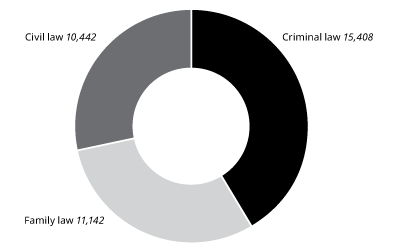 Figure 7. Legal advice and legal tasks services 2024–25
Legal advice and legal tasks services 2024-25
- Criminal law 15,408
- Family lay 11,142
- Civil law 10,142
We provide free legal advice to eligible clients in:
Criminal law
-
Criminal charges in the Magistrates, District and Supreme Courts
-
Youth justice
-
Traffic matters
-
Mental health law
Family law
-
Parenting issues (e.g. arrangements about children)
-
Relationship issues (e.g. divorce, property settlement)
-
Domestic and family violence
-
Child support and maintenance
-
Child protection
-
Family dispute resolution
Civil law
-
Anti-discrimination and human rights
-
Farm and rural debt issues
-
Social security appeals
-
Motor vehicle property damage
-
Consumer and debt disputes
-
Employment
-
Disasters
-
National Disability Insurance Scheme (NDIS)
In 2024–25, we provided legal advice and legal task services to 36,992 people.
The legal advice service is primarily delivered by our Brisbane-based First Advice Contact Team, specialist legal teams and regional offices (see Figure 7 for more information).
First Advice Contact Team (FACT)
The First Advice Contact Team provides face-to-face advice to eligible clients at our Brisbane office and remote legal advice via a statewide telephone service, and via videoconference where needed. Our highly skilled lawyers provide advice across a range of legal issues each weekday, including urgent advice for people being questioned by police, and in family law, domestic and family violence and child protection proceedings where urgent advice is needed. The team also provides legal task services for people who might need help with preparing letters and other documents following initial legal advice.
Prison Advice Service
Our Prison Advice Service primarily uses videoconferencing to provide legal information and advice services to people in Queensland’s prisons. We also coordinate videoconferencing appointments for our in-house lawyers and preferred suppliers across Queensland. Videoconferencing reduces travel time and provides cost savings. The service’s lawyers and some regional advice lawyers also provide face-to-face advice services at designated prisons.
In 2024–25, the Prison Advice Service provided 1,635 advice services toQueensland prisoners.
Refugee and Immigration Legal Service advice referrals
We continue to work with the Brisbane-based Refugee and Immigration Legal Service (RAILS) to provide a warm referral pathway for clients who have family law, domestic and family violence, or child protection issues. The lawyers provide advice through these referral pathways and help clients apply for legal aid (if appropriate).
Consumer advice clinic
During 2024–25, we continued to provide telephone consumer advice clinics 5 days a week. We provided advice about:
-
mortgage stress and housing repossession
-
debt and debt collection practices
-
credit cards and personal loans
-
‘buy now pay later’ schemes
-
car loans
-
small amount (payday) loans and consumer leases
-
telephone and other utilities contracts
-
insurance including home and contents, car insurance and funeral insurance
-
Australian consumer law including faulty cars, unsolicited consumer agreements and training colleges and courses
-
bankruptcy and part IX agreements.
Anti-discrimination and Human Rights advice clinic
During the year, we provided specialist advice clinics about state and federal anti-discrimination laws and state human rights protections 2 days a week. We also helped clients apply for legal aid if needed.
We operate a specialist advice clinic one afternoon a week through an arrangement with the Queensland Human Rights Commission (QHRC). The clinic is available to clients whose complaints have been accepted by the commission. Clients receive advice via telephone about their complaint, the complaint process, the conciliation process and how to proceed to the Queensland Civil and Administrative Tribunal (QCAT). During these clinics, we also provide task assistance to clients to help facilitate their access to justice.
Employment law advice clinic
We deliver specialist legal advice and task assistance to federal system employees about federal employment law matters under the Fair Work Act 2009, including unfair dismissal, general protections, bullying, discrimination, sexual harassment, disciplinary processes and flexibility arrangements. We also help clients apply for legal aid if needed. We provide telephone advice clinics 5 days a week.
Our specialist sexual harassment advice clinic provides holistic, trauma-informed legal advice and task assistance to clients who have experienced sexual harassment and/or discrimination in the workplace.
We provide a specialist advice clinic through an arrangement with the Fair Work Commission’s (FWC’s) Workplace Advice Service. The clinic is available to clients who have contacted the commission about employment law issues and complaints. We provide clients with advice via telephone about their legal issues, how to apply to the FWC, the conciliation process and how to proceed with their matter if it does not resolve at conciliation. We also provide task assistance to clients to help facilitate their access to justice.
Social security appeals advice clinic
We deliver specialist legal advice and task assistance that focuses on providing advice to clients about how to deal with Centrelink decisions, including advice about overpayments. We provide an in-house clinic 2 days a week for clients who have not lodged an appeal before the Administrative Review Tribunal (ART), including those who need help to lodge an appeal with the ART. This allows clients to achieve an early resolution rather than having to wait until their appeal reaches the ART. The clinic also supports clients whose appeal was unsuccessful and who are unsure how to progress their matter, including in relation to claims to the Scheme for Compensation for Detriment caused by Defective Administration.
During the year, we started an in-house face-to-face clinic at our Ipswich office for people needing help with social security appeals.
We also provided specialist advice clinics through an arrangement with the ART. During 2024–25, we provided telephone advice clinics through the ART’s Social Services and Child Support jurisdiction and General jurisdiction 3 days a week. For clients representing themselves through the Social Services and Child Support jurisdiction, our clinics provide advice and task assistance, and many appeals are resolved at this level. We also provide advice and task assistance to clients whose appeals have progressed to the General jurisdiction. Additionally, we help clients apply for legal aid if needed.
NDIS advice clinic
We deliver specialist legal advice and task assistance advice to clients about how to deal with reviewable decisions made by the National Disability Insurance Agency (NDIA). Our in-house NDIS clinic operates 3 days a week and provides advice on legal issues including access to the NDIS, reasonable and necessary supports, revocation, reimbursements, how to apply for an internal review to the NDIA and how to lodge an external review application with the ART.
We also operate a specialist advice clinic through an arrangement with the ART. This clinic operates 2 days a week to help clients who have lodged external review applications with the ART. At these clinics we give specialist NDIS advice to participants in the NDIS, prospective participants, and nominees about their appointments and, if appropriate, help them apply for legal aid.
Legal Advice Referral Pathways Program
We continued to deliver our Legal Advice Referral Pathways Program, which helps vulnerable clients, particularly women who have experienced domestic and family violence, receive priority legal advice. The program operates in 10 locations across the state: Brisbane, Caboolture, Gold Coast, Ipswich, Woodridge, Maroochydore, Toowoomba, Bundaberg, Mackay and Townsville.
We continue to explore opportunities to establish new referral pathways. With more than 200 registered agency partners across Queensland, we remain committed to expanding this vital referral program to ensure continued support for vulnerable clients across these communities.
Domestic and family violence advice
During the year, we delivered specialist domestic and family violence advice services 5 days a week to help those affected by domestic and family violence, and those who are responding to an application for a domestic violence protection order.
The Application Assistance Program helps people applying for domestic violence protection orders in the Brisbane Magistrates Court by:
The Domestic Violence Court Assistance Service provides free and confidential help to all victim/survivors who attend the Brisbane Magistrates Court for domestic and family violence matters. The service is available to anyone applying for, or responding to, a domestic violence protection order, and helps them:
-
access the court’s safety facilities
-
understand what protection orders are, including their conditions and what to do if an order is breached
-
understand the court process, including support and information
-
talk to the police prosecutor and court staff
-
make a safety plan
-
access relevant legal and community services for crisis counselling and emotional support
-
complete applications for legal aid.
Child Protection Early Legal Service
The Child Protection Early Legal Service focuses on providing legal advice and advocacy for vulnerable parents early in child protection interventions. Lawyers work collaboratively with community-based support agencies to make sure the program reaches vulnerable parents involved, or at risk of becoming involved, with the child protection system.
We have continued to develop our referral pathway partnership with the Office of the Public Guardian to expand and strengthen services provided to clients who are particularly vulnerable with mental health and/or intellectual disability. We have also established partnerships with various community support agencies in the Brisbane region.
Early legal support involves advocating for parents to receive support and guidance to keep their children safe so statutory child protection intervention occurs only as a last resort. This support may involve legal advice and help before the start of court proceedings.
Child Protection Outreach Legal Service
The Child Protection Outreach Legal Service provides legal advice to clients statewide via a telephone advice clinic. The service also provides regular child protection duty lawyer services in Mackay, Rockhampton, Gladstone, Kingaroy, Gympie, Beenleigh, Richlands and Cleveland. The service is delivered by Brisbane-based lawyers who regularly travel to regional Queensland.
We have established referral pathway partnerships with relevant stakeholders, including Child Safety, the Director of Child Protection Litigation, the Office of the Child and Family Official Solicitor and the Office of the Public Guardian to help clients in regional areas to get legal advice. During the year, we focused on our outreach services in Gympie, Kingaroy and Richlands, including providing in-person advice clinics to ensure our vulnerable regional clients have access to services in line with those available in Brisbane.
Child support advice clinic
We continued to deliver child support advice each week. The clinic provides people with legal advice about reviewing child support decisions, child support agreements, paternity and enforcing outstanding child support payments. Lawyers provide advice to clients on the child support process, their prospects of success and/or evidence, and if appropriate, help them apply for legal aid.
Family law advice clinic
We provided legal advice each week to people experiencing complex family law issues (including parenting and property matters). Lawyers provide advice to clients on their prospects of success and/ or evidence, and if appropriate, help them apply for legal aid or refer them to the Family Advocacy and Support Services.
Youth Legal Advice Hotline
Our Youth Legal Advice Hotline continued to give legal advice and support to young people, and assistance to youth justice stakeholders and Queensland police. The hotline helps young people to access early legal advice with the aim of increasing the likelihood of their issues reaching an early resolution and promoting diversionary options for young people suspected by police of having committed an offence.
Queensland police are required to notify a legal aid organisation that a child is in custody for questioning, and the hotline operates Monday to Thursday from 8 am to 9 pm and from Friday 8 am to Sunday 5 pm. During the year, staff provided early legal advice and help for 1,217 matters.
Drug Diversion Legal Advice Line
The Drug Diversion Legal Advice Line helps divert people charged with minor drug offences from the court system. The service operates Monday to Thursday from 8 am to 9 pm and from Friday 8 am to Sunday 5 pm. When a person calls the advice line, the call is answered by an advice lawyer. Callers outside of operating hours are directed to information on the Legal Aid Queensland website.
We can provide confidential advice on eligibility for warnings and drug diversion assessment programs, advice for those wanting to reschedule or who have missed their allotted program and liaise with police to help with diversionary options.
Duty lawyer services
Criminal Law Duty Lawyer Service
Our Criminal Law Duty Lawyer Service operates in 81 Queensland Magistrates and Childrens Courts and plays a crucial role in our youth and adult justice systems. The service offers free initial legal advice and representation to people charged with criminal and serious traffic offences who are on bail or in custody in Queensland. Duty lawyers represent people on guilty pleas, make bail applications and request remands for clients.
Duty lawyer services are provided by our in-house lawyers, ATSILS and authorised private lawyers who deliver services under roster or tender arrangements.
We are committed to case conferencing and mediating matters with the prosecution to ensure our clients have their legal issues resolved as soon as possible. This can have significant sentencing benefits for clients and can also result in savings to the criminal justice system by avoiding court time being wasted. It also means witnesses and victims do not have to go through the stress of attending court.
Family Law Duty Lawyer Service
Our Family Law Duty Lawyer Service provides help to self-represented litigants in the Federal Circuit and Family Court of Australia throughout Queensland for family law matters. We provide services in Brisbane, Maroochydore, Toowoomba, Hervey Bay, Bundaberg, Rockhampton, Mackay, Townsville and Cairns.
The duty lawyer service provides information, legal advice, referrals and, in some cases, representation for clients with matters in court that day. We also help people complete their own forms and documents, negotiate and settle consent orders and seek adjournments. We help people complete applications for legal aid or to access our review process if they have previously been unsuccessful with applications for aid.
Family Advocacy and Support Services
The Family Advocacy and Support Services operate in the Federal Circuit and Family Court of Australia in Brisbane, Townsville, Rockhampton and Cairns, and in circuit locations across Queensland.
This is a federal government funded service focusing on giving more and earlier help to clients impacted by family violence.
The service recognises people coming to the family law courts need more than just legal help – it involves lawyers, social support workers and mental health workers who can work together to address the client’s legal and non-legal needs.
The service provides legal advice and help for unrepresented people on their court date, complementing the Family Law Duty Lawyer Service. Legal help is also provided for clients who are not in court but have a very urgent family law issue, such as seeking recovery, or airport watch list orders for children.
Lawyers give people information and legal advice, negotiate with other parties, prepare simple court documents and represent people in court (in some situations). Support workers and mental health workers can help clients with safety planning and referrals for their social and mental health support needs. The service continues to provide a wrap-around legal and social support service to clients who need urgent help.
The service can help people at all Federal Circuit and Family Court of Australia registries and circuit locations in Maroochydore, Toowoomba, Hervey Bay, Bundaberg and Mackay, and provide mental health supports to complement legal and social support to clients. We continue to be the primary service provider, and engage external services to provide complementary legal, social and mental health supports in Brisbane and regional areas.
Our Family Law Duty Lawyer Service and Family Advocacy and Support Services also helps clients in the Federal Circuit and Family Court of Australia’s Critical Incident list – a case management list that helps non- parents to secure parental responsibility and parenting orders for family members where there is no parent available to care for the children as a result of the death or incarceration of a parent, including as a result of family violence.
The Family Advocacy and Support Services also helps clients in the Federal Circuit and Family Court of Australia’s specialist Indigenous list, which provides Indigenous families with modified case management processes and support from a court Indigenous family liaison officer.
Domestic and Family Violence Duty Lawyer Service
We continued our role as a key partner involved in the Specialist Domestic and Family Violence Courts at Southport, Beenleigh, Townsville, Mount Isa, Palm Island, Brisbane and Cairns. We operate duty lawyer services to support clients and the court. The service gives people access to free legal help before their court appearance.
The service’s clients include those affected by domestic and family violence and those who are responding to an application for a domestic violence protection order. In Southport and Brisbane, the service also provides legal help to defendants charged with breaching domestic violence orders and related criminal cases. The duty lawyers provide legal advice, representation and referrals to other legal and support services for people appearing before the specialist courts.
This year, the duty lawyers in the Specialist Domestic and Family Violence Courts helped 16,435 people appearing before the court for civil domestic and family violence matters.
We also operated domestic and family violence duty lawyer services in 24 other court locations around Queensland.
The duty lawyers give free legal information and advice, help clients fill out forms and documents needed for that day in court, discuss the clients’ eligibility for ongoing support from Legal Aid Queensland in the domestic and family violence matter and other related legal problems, and provide referrals to appropriate support services. In some circumstances, the duty lawyer may also appear in court on the client’s behalf for their domestic and family violence matter.
The duty lawyer services are provided in the 31 courts by in-house lawyers and lawyers from preferred supplier law firms and CLCs. Providing legal help and referrals early in the court process helps applicants and respondents to better understand their options and the legal implications of these options. It also helps people to connect with support services early to keep them and their children safe.
Child Protection Duty Lawyer Service
We operated the Child Protection Duty Lawyer Service in Brisbane, Holland Park, Ipswich, Southport, Maroochydore, Toowoomba, Caboolture, Pine Rivers, Townsville, Cairns and Mount Isa Childrens Courts.
The Child Protection Outreach Legal Service provided duty lawyer services in Mackay, Rockhampton, Gladstone, Kingaroy, Gympie, Beenleigh, Richlands and Cleveland.
The duty lawyers provide free legal help to parents and young people before they appear in court for their child protection matter.
The service is a court-based advice model where lawyers give free legal information and advice, help people fill out forms and documents needed for that day in court and talk to the clients about their eligibility for ongoing legal representation from Legal Aid Queensland. In some circumstances, the duty lawyer may also appear in court on the client’s behalf for their child protection matter.
The duty lawyer services are delivered by in-house lawyers and lawyers from preferred supplier law firms and CLCs. Lawyers being available to provide advice to people about their child protection issues helps the clients to be properly informed before going into court, to feel more confident negotiating the legal process, and more accepting of the outcomes.
Facilitated resolution processes
Resolving family law problems through dispute resolution processes
Legal Aid Queensland is a national leader in providing lawyer-assisted family law dispute resolution and arbitration. We operate a statewide lawyer-assisted family dispute resolution program. We aim to resolve family law disputes before matters go to court or before a final hearing if court proceedings have started. The program achieved a good result in 2024–25, with 73.3% of matters achieving an early resolution.
We have dispute resolution conference organisers in Brisbane and regional centres around the state to help families. Family law dispute resolution conferences are primarily held by videoconference and telephone. An important part of our family law dispute resolution program is our property arbitration program, which allows parties to settle property disputes.
Our lawyer-assisted property mediation program aims to help separated couples with property disputes to resolve these in a two-step conference and arbitration process that allows property disclosure and discovery to occur.
Providing services to the farming community
Our Farm and Rural Legal Service provides free legal help to Queensland farmers and primary producers experiencing financial hardship related to their business, including those with severe debt problems or those in dispute with their lenders.
During the year, we gave legal advice via telephone or face to face and represented clients in mediations with their banks and finance providers. The service was delivered by our in-house lawyers and involved travelling thousands of kilometres on outback Queensland roads to see farmers on their properties.
Representation services
Our in-house practice, together with hundreds of private law firms and barristers, provide representation services to legally aided clients in serious crime, general crime, youth justice, family law, child protection, domestic and family violence and other civil law matters. We use grants of aid to purchase these services from private lawyers and manage in-house work allocations.
About 80% of our legal representation is provided by private lawyers, with the remainder provided by our in-house practice.
In 2024-25, our expenditure on private lawyers for repesenting clients was $110.078 million.
Processing applications for grants of aid
Our Grants division is responsible for assessing and processing applications for grants of legal assistance and managing these grants following approval.
We assessed 45,644 new applications for legal aid and approved 35,109 applications in 2024–25.
Applications are processed by staff in our Brisbane and regional offices. Demand for our services is high so we use strict criteria when granting aid for legal representation. In determining whether to approve a grant of aid, grants officers assess requests in line withour guidelines, which are set by the Legal Aid Queensland Board, and apply the means and merits tests. This process looks at the financial means of the person applying and the case’s merit. If an application is refused, internal and external review processes are available to applicants.We also allocate independent children’s lawyers in family law proceedings and separate representatives in child protection proceedings from the specialist panels we maintain (see Figure 8 for more information).
 Figure 8. Applications for grants of aid received and approved 2024–25
Applications for grants of aid received and approved 2024–25
- Criminal law - 32,193 applications received
- Criminal law - 28,049 applications approved
- Family law - 7,747 applications received
- Family law - 3,941 applications approved
- Civil law - 5,704 applications received
- Civil law - 3,119 applications approved
Managing grants of aid
In addition to processing initial applications for legal aid, during the year we managed 44,461 ongoing cases. This involved assessing and issuing 85,848 extensions to the initial grants as matters progress, paying 87,727 accounts, and recovering financial contributions from clients and external agencies.
Reviewing decisions
We have an established review process where applicants can ask us to review a decision to refuse legal aid. Most requests for review are conducted by a senior officer who was not involved in the original decision. The applicant may also request an external review of an internal review decision. Independent lawyers or barristers in private practice complete these reviews by considering all relevant information held and any extra information provided.
Applicants are invited to participate in the external review by telephone. In 2024–25, we considered 2,242 internal reviews and external review officers considered 301 decisions. In 3.5% of cases the external review officer overturned Legal Aid Queensland’s decision.
Improving grants of aid
From 1 August 2024, we increased fees paid to preferred suppliers and counsel undertaking state law matters by 4.9% and Commonwealth law matters by 6.8%. We also increased disbursements for items such as reports, giving evidence, service, travel and accommodation across state and some Commonwealth matters.
In August 2024, we created new grants of aid in response to the Births, Deaths and Marriages Registration Act 2023, which established a new framework to strengthen the legal recognition of trans and gender diverse Queenslanders. A grant of legal assistance is now available to children aged 12 to 15 in child-initiated applications to the Childrens Court where neither parent or a person with parental responsibility consent to the alteration of sex and/or change of name in the child’s registration record. A grant of legal assistance is also available to represent children in an application to the Childrens Court initiated by one parent or person with parental responsibility on behalf of a child.
In September 2024, we created a new grant of aid in response to the District Court of Queensland Practice Direction for sexual violence case management. Where the court lists a matter on the sexual violence case management list in Brisbane and Ipswich, practitioners will be remunerated for the additional case management requirements.
In November 2024, we created new grants of aid in response to the Office of the Director of Public Prosecution’s historical case reviews for forensic DNA (deoxyribonucleic acid) testing in Queensland, and the Criminal Code and Other Legislation (Double Jeopardy Exception and Subsequent Appeals) Amendment Act 2024. Where a defendant and their previous legal representative is notified of a historic case review, the defendant or their legal representative can apply for a grant of aid for the client to receive advice. Grants of aid were also created for subsequent appeals to the Court of Appeal and where an application is made by the Office of the Director of Public Prosecutions for a double jeopardy exception. A grant of aid was also created where an application is made to the Governor for a pardon.
In February 2025, we created a new grant of aid in response to the High Court’s decision in NZYQ and the establishment of a new community safety order scheme under Division 395 of the Criminal Code Act 1995 (Cth). Where the Minister for Immigration applies to the Supreme Court for a community safety order, people can now apply for a grant of legal aid.
In June 2025, we created new grants of aid where an application in a proceeding is required for a protected confidences direction in response to the Family Law Amendment Act 2024 (Cth).
Legal help for war veterans and their dependents
We receive federal funding under the War Veterans’ Legal Aid Scheme to provide help to veterans and their dependents in relation to appeals of Veterans Review Board decisions about:
-
war caused disability pension entitlements or assessment claims under Part II of the Veterans Entitlement Act 1986
-
claims under the Military Rehabilitation and Compensation Act 2004 about warlike or non- warlike service.
Commonwealth Family Violence and Cross-Examination of Parties Scheme
We receive funding from the federal government Attorney-General’s Department to administer the Commonwealth Family Violence Cross-Examination of Parties Scheme. Demand for representation through the scheme has been high with 726 notifications received from the family law courts during 2024–25. Each notice may relate to a number of parties and each party is invited to apply for assistance under the scheme. We approve applications for funding about 12 weeks before the hearing date where the cross-examination is to happen. Applications for funding are not subject to means or merits testing, and we usually allocate these to a preferred supplier to prepare for and conduct the hearing where the cross-examination is to happen. In 2024–25, we approved 605 parties for funding.
In-house legal practices
Criminal law services
Magistrates Court
We provide legal representation in the Magistrates Court for guilty pleas, summary trials, committals, applications in line with s 172 of the Mental Health Act 2016 and other Magistrates Court matters.
Our lawyers are involved in the Magistrates Court call over process in Brisbane and provide case conferencing services for summary and committal matters. In 2024–25, we continued to pilot criminal law duty lawyer services in the Brisbane and Holland Park Magistrates Courts. These pilots minimise the need for processing grants of aid and streamline representation of people. These services were well received by the Magistrates Court and other stakeholders and provided legal help and representation to a significant number of defendants.
Consistent with the state government’s commitment to diversionary court programs, we have actively participated in supporting these courts in Queensland. The Queensland Drug and Alcohol Court continued to operate this year, and our extensive knowledge and experience of previous drug court programs has allowed us to positively contribute to the successful operation of this important specialist court program.
We also continued to provide duty lawyer services to help unrepresented defendants in the Court Link criminal call over in Brisbane and Ipswich. Court Link is a very successful bail-based case management program monitored by the Magistrates Court and aims to address the underlying causes of offending such as homelessness. For each Brisbane call over we provide 2 duty lawyers, one of whom is female.
Our staff provide annual criminal law duty lawyer training in Brisbane, and in 2 regional centres. These training sessions are open to lawyers from Legal Aid Queensland, ATSILS and preferred supplier firms.
Serious and general crime
Our lawyers specialise in the defence of complex and general criminal law cases in federal and state jurisdictions.
We provide legal assistance in Dangerous Prisoners (Sexual Offenders) Act 2003 (DPSOA) matters. In DPSOA matters, we act for people responding to dangerous prisoner applications brought by the Attorney-General, at periodic reviews of continuing detention orders, in contravention proceedings for breaches of supervision orders, and in applications to amend and extend supervision orders.
We also provide advice and representation to witnesses in coronial inquests held in the Coroner’s Court of Queensland.
Representation in our criminal litigation teams is often delivered in serious criminal law matters such as murder, major fraud, and complicated drug prosecutions. The defence of these complex matters is challenging and demanding, requiring extensive investigation and preparation. It often sees our lawyers’ involvement over years from the time shortly after a defendant’s arrest through the various stages of a case within the criminal justice system.
The General Crime team has helped in absorbing criminal law work across all jurisdictions, particularly in Southeast Queensland’s District and Supreme Court jurisdictions.
Our experienced lawyers continued to contribute to criminal justice system consultation to help increase efficiencies in the superior courts, particularly in relation to streamlining criminal justice processes.
Appeals
We represent people on appeal in the District Court appellate jurisdiction, Queensland Court of Appeal and the High Court of Australia. Appellate jurisdictions are the safety net for the criminal justice system and our lawyers appear in many appeals alongside in- house counsel.
Our lawyers work with stakeholders in the appellate jurisdictions to improve representation and the justice system generally. Our Appeals team has also been actively engaged with the Court of Appeal to ensure we provide efficient and effective defence representation in legally aided appeals. During the year, we began providing legal advice about the merits or likelihood of re litigating criminal cases following law reforms relating to subsequent appeals and expansion of exceptions to double jeopardy.
Mental Health Court
Our Mental Health Court team provides advice and representation for people charged with criminal offences who have been referred to the Mental Health Court.
The team is committed to helping Queenslanders affected by mental illness or significant impairment and strives to provide them with a voice in the justice system. The team is also a first point of contact for inquiries from practitioners and stakeholders about issues arising from the implementation of the Mental Health Act 2016.
The team works closely with our in-house counsel and Mental Health Review Tribunal (MHRT) team to conduct matters, representing the vast majority of non- privately represented clients appearing in the Mental Health Court.
Legal representation in the Mental Health Review Tribunal
We continued working with the MHRT to provide legal representation services to patients appearing before the tribunal under the Mental Health Act 2016.
The MHRT is an independent statutory body protecting the rights of people receiving involuntary treatment for mental illness. It provides an independent review process and makes decisions about whether treatment should occur either in hospital or in the community.
The tribunal sits in 129 locations across Queensland. To help service clients statewide, we have an in-house MHRT team based in Brisbane and in-house regional lawyers along with a network of 21 external legal service providers (preferred supplier law firms and CLCs). Our in-house team, working together with the network of service providers, gives legal help to some of Queensland’s most vulnerable people appearing in the tribunal across the state. The in-house team also plays an important role in providing legal advice to people in relation to tribunal process and procedure, the impacts of tribunal decisions, and options for appeal or review. During the year, the MHRT team conducted appeals and reviews in the Mental Health Court in relation to decisions that were considered to adversely impact on the human rights of this vulnerable client cohort.
Arranging representation for MHRT referrals
Our Grants division is responsible for arranging free legal representation for people appearing before the MHRT where s 740 of the Mental Health Act 2016 requires the appointment of a representative. Funded by Queensland Health to help meet its statutory obligations, we allocate legal representation from a specialist panel including lawyers in our MHRT team as well as preferred suppliers and CLCs.
Helping young people in the criminal justice system
Our Youth Legal Aid teams provide specialist legal assistance to children and young people in the youth justice system, particularly in Southeast Queensland. The team is a significant stakeholder in the youth justice sector and advocates strongly on behalf of vulnerable children.
During the year, we continued to provide advice and policy submissions to government on issues relating to youth justice. Our youth justice lawyers also used their knowledge, experience and expertise to continue to provide statewide legal training programs for youth justice stakeholders to improve justice outcomes for young people.
The state government continued to fund us to deliver the Youth Legal Advice Hotline. The hotline enables young people and youth justice stakeholders to access legal information and advice about a criminal law matter by telephone, while providing Queensland Police Service investigating officers with an available lawyer to help promote early resolution of matters and diversionary options.
Our in-house Youth Legal Aid teams have continued to deliver duty lawyer services to court locations in Southeast Queensland, providing expert advice and representation to children appearing before the Childrens Court.
We participated in the state government funded Fast Track Sentencing Pilot in Brisbane, Townsville, Southport and Cairns. The pilot ensures children appearing in court have easy and prompt access to a lawyer so matters can be resolved quickly.
Family law services
Social science work
Our social scientists play an integral role in delivering our legal services to vulnerable clients. They support people through legal processes, complete social assessment and family reports and provide counselling services. We provide social science and support services from our Brisbane, Rockhampton and Townsville offices, with outreach services provided to our Cairns office when needed.
During the year, our social workers completed forensic assessment reports and psychological reports for independent children’s lawyers and separate representatives involved in family law and child protection matters and provided testimony before the courts. They helped our lawyers by providing clients with information and referrals to appropriate external organisations for help with non-legal matters such as mental health problems, substance dependencies and accommodation difficulties.
Helping those affected by domestic and family violence
We represent people in domestic and family violence matters through grants of aid to preferred suppliers and to our in-house legal practice.
Our specialist Violence Prevention and Women’s Advocacy teams help clients experiencing domestic and family violence. The team comprises specialist lawyers who work with in-house domestic and family violence practitioners to provide services to people and practical advice about service delivery in domestic and family violence cases. Our particularly vulnerable clients are at risk of social exclusion and include people under 18 and those with intellectual disability or experiencing mental illness.
Rockhampton Domestic Violence Unit
The federal government funded Domestic Violence Unit in Rockhampton provides a wrap-around service to clients impacted by domestic and family violence. The service is designed to support the client’s legal and non- legal needs by involving lawyers and support workers working together to address the client’s needs. The service provides advice and assistance for clients in the domestic and family violence and family law jurisdictions in Rockhampton and surrounding areas.
Counselling Notes Protect
We work to deliver the Counselling Notes Protect service in partnership with Women’s Legal Service Queensland. The service provides advice, assistance and representation to clients about Queensland law that protects the counselling records of victims of sexual assault or alleged sexual assault from being used in some courts. In 2024–25, we represented 70 people in the District Court and provided advice and minor assistance to a further 23 clients for in-house matters. We also provide education and training to the legal profession, Queensland Police Service, sexual assault services and other support services about the laws.
Helping people with child support issues
We provide information, referral, legal advice and representation services to clients in some child support areas. We can explain how the child support formula works, how the Family Tax Benefit is affected and how to prove paternity.
Children and young people
Helping children, their families and the courts to assess the best interests of children involved in legal proceedings is a key focus of the work conducted by our family and child protection lawyers. We continued to provide legal services for children and young people involved in family law and child protection matters in 2024–25.
Courts exercising family law and child protection jurisdictions make a significant number of independent children’s lawyer and separate representative appointments, where judicial officers order a child’s interests be separately represented. Independent children’s lawyers and separate representatives provide best interests representation for children, playing a unique and difficult role within the family law and child protection systems. They gather and assess independent evidence, help children and young people to participate in legal processes that affect them and have their voices heard, and provide measured guidance and recommendations to the courts about the best interests of children and young people. The cases they work on are complex and demanding. Many of these matters are dealt with by specialist in-house lawyers. Our in-house independent children’s lawyers and separate representatives have significant experience and knowledge about parenting and child protection cases.
In addition to appearing in complex child protection and family law matters, our in-house lawyers also perform work in the Federal Circuit and Family Court of Australia’s Magellan list – a case management list devoted to cases where there are allegations of serious physical abuse or sexual abuse of children. We also perform significant work in the Evatt List in the Federal Circuit and Family Court of Australia dealing with matters where there are serious allegations of family violence or other allegations increasing risk to children or parties, through the Lighthouse Project.
We facilitate independent children’s lawyer and separate representative panel meetings to help ensure knowledge is shared and issues are discussed between the private practitioners on the panel and in-house specialist lawyers. This ensures a consistent, quality approach to representing children and young people.
Child protection
We are the largest child protection legal service provider to individuals in Queensland, providing information and advice, representation of parents, direct representation of young people, separate representation of children and young people in the Childrens Court of Queensland, and limited representation in QCAT in respect of reviewable decisions.
Civil justice services
Anti-discrimination services
We provide representation in matters involving discrimination, sexual harassment, victimisation and vilification under state and federal government laws. Where appropriate we attached ‘piggyback’ actions relating to relevant considerations under the Human Rights Act to state anti-discrimination complaints in the QHRC. We provide representation in the Australian Human Rights Commission (AHRC), QHRC, QCAT, Queensland Industrial Relations Commission, Queensland Court of Appeal, Federal Circuit and Family Court of Australia and Federal Court of Australia.
Civil Law Legal Aid Scheme
The Civil Law Legal Aid Scheme is an outlay only scheme that helps financially disadvantaged people who have a civil law claim for which no grant of legal aid is available. Funded by the Public Trustee of Queensland and administered by Legal Aid Queensland, the scheme covers outlays required to prepare civil law claims for settlement negotiations and/ or court proceedings. The scheme does not fund legal professional fees and lawyers accessing the scheme must agree to speculate their fees. The scheme does not cover areas of law where a mainstream grant of legal aid is available from Legal Aid Queensland. The scheme operates under guidelines independent of Legal Aid Queensland’s grants of legal aid.
The scheme will consider providing funding for outlays where:
-
there are reasonable prospects of the scheme recovering outlays
-
the action can be dealt with in the Queensland legal jurisdiction
-
an approved firm is willing to act on a speculative basis for their professional fees.
Applications are subject to means testing and merit assessment, and assistance will only be approved if it is considered the claim has reasonable prospects of success.
Consumer protection
We provide representation in credit, debt and consumer law matters. We provide advice to clients as well as lawyers and financial counsellors throughout Queensland. During the year, we helped people with:
-
mortgage stress
-
housing repossession
-
debt (including debts faced by people experiencing family violence)
-
credit cards and personal loans (including car loans)
-
telecommunications and utilities
-
misleading and deceptive conduct, unfair contract terms and unsolicited consumer agreements (including door-to-door selling)
-
insurance (including flood, storm and bushfire insurance claims)
-
debt collection practices
-
credit reporting
-
bankruptcy and part IX agreements.
Disaster Legal Help Service
We provided legal advice, task assistance and casework to clients impacted by disasters including Cyclone Jasper (2023), the Southeast Queensland Christmas/New Year’s storms and tornadoes (2023–24), the North and Far North Queensland Tropical Low (2025), Tropical Cyclone Alfred (2025) and the Western Queensland Floods (2025).
During the year, we also:
-
attended community forums from Cairns to the Gold Coast to help consumers with insurance, debt and other legal problems
-
provided CLE face to face and via webinars and social media to community and support workers, community recovery groups, financial counsellors, lawyers and community members
-
advocated with the Insurance Council of Australia to resolve cases without needing to proceed to dispute resolution.
Employment law
We provide specialist legal representation to federal system employees for unfair dismissal and general protections matters covered by the Fair Work Act 2009. We provide representation in the FWC, Federal Circuit and Family Court of Australia and Federal Court of Australia.
Farm and Rural Legal Service
The Farm and Rural Legal Service provides advice and representation at farm debt mediations to Queensland farmers and primary producers facing financial hardship related to their business, including severe debt problems or those who are in dispute with their lenders.
Social security appeals
We provide casework assistance and representation for social security appeals in the General jurisdiction of the ART and the Federal Court of Australia.
National Disability Insurance Scheme appeals
During 2024–25, we continued to provide casework assistance and legal representation to eligible people in the General jurisdiction and Guidance and Appeals Panel of the ART and the Federal Court of Australia.
Workplace sexual harassment and mental health
We help people experiencing sexual harassment at work and mental health issues with their legal and social service needs. Our lawyers work with a social worker to provide holistic and trauma-informed legal services to clients experiencing a range of vulnerabilities.
Public Defender Chambers
The barristers of our Public Defender Chambers continue to provide quality, specialist legal advocacy and advice to disadvantaged Queenslanders. Following changes to youth justice laws, we quickly adapted our practice to ensure our most vulnerable clients – children – remain represented to the highest standard.
During the year, Deputy Public Defender Joe Briggs was permanently appointed as Queensland’s Public Defender. His appointment to the role follows a vocation spanning decades of dedicated service beginning in the Public Defender’s Office in the 1980s, with a strong focus on the rights of First Nations peoples and individuals suffering mental health problems.
The strength and quality of the chambers was highlighted by the appointment of Acting Public Defender Jakub Lodziak to the Magistrates Court in August 2024.
We restructured the Public Defender Chambers during the year to help meet the increased demands for our services, and better represent the complexity of the work undertaken by the team. We created a second counsel position in our Townsville office, an Assistant Public Defender position in our Ipswich office, and 2 more Deputy Public Defender positions in Brisbane.
The Public Defender Chambers created a First Nations Committee to help address the disadvantages experienced by First Nations peoples dealing with the justice system. The committee aims to strengthen bonds with First Nations peoples and improve service delivery, particularly with respect to circuit matters involving clients from remote communities.
The team also established a Regional Counsel Committee to maintain connection within chambers across the state. Before the restructure, there was only one dedicated regional position for in-house counsel. Our chambers now have permanent barristers in Cairns, Townsville (2 positions), Southport and Ipswich.
Our barristers are actively involved in sharing their knowledge by providing continuing professional development (CPD) presentations to in-house and external audiences including the Prisoners’ Legal Service Conference and the North Queensland Law Association Conference. Our barristers assisted the Bar Association by volunteering as judges for mock hearings as part of the Bar Practice Course, participated as university lecturers and tutors, contributed to publications for the Caxton Legal Centre and criminal law textbooks, and mentored others through in-house and external programs.
Throughout the year, our counsel have continued to prepare and appear on complex conviction and sentence hearings in the Court of Appeal, lengthy murder trials, intensive circuit representation, DPSOA applications and hearings in the Mental Health Court.
Ensuring quality legal services
Legal Aid Queensland aims to provide quality legal services to financially disadvantaged people and we continue to improve the quality of our work and the outcomes for our clients.
Measuring client satisfaction
Legal Aid Queensland undertakes a client satisfaction survey every 2 years. We conducted 2 surveys in March 2024 with the next survey due to be completed by January 2026.
In-house lawyers
We implemented an updated Legal Practice Framework for employed lawyers at Legal Aid Queensland to strengthen our focus on quality legal services. The framework lists the measures we have in place to ensure we maintain a high standard of service delivery to our clients.
This includes:
-
recruiting and selecting lawyers through open, merit-based selection processes
-
providing an induction program and training for new lawyers to ensure they are familiar with standards of conduct, professional requirements and administrative processes
-
developing and delivering a CPD program for lawyers
-
compliance with legal profession standards
-
compliance with legal service standards, case management standards and practice management standards
-
providing legal professional supervision to lawyers
-
regularly reviewing files and auditing lawyers
-
responding to client feedback and complaints
-
conducting a client satisfaction survey every 2 years to guide improvements to service delivery.
Preferred supplier law firms
Our network of preferred supplier law firms partners with us to deliver legal services to our clients throughout Queensland. We cannot deliver services and meet our objectives without them.
In 2024, we updated and continued to implement our partner law firm communication and engagement strategy, which guides how we work with and support our partners. It includes strategies to promote the important role they play, build strong relationships, and seek and act on their feedback. We delivered a suite of benefits such as online and in person CPD and training. These covered a wide range of professional, practice and procedure areas and were expanded to include mental health and wellbeing topics to support them in their work. The plan also includes strategies to attract new preferred suppliers to partner with us.
Our preferred supplier law firms are required under their agreement with Legal Aid Queensland to meet our policies, guidelines, and file management, practice and case management standards.
As part of our commitment to ensuring funding is used in line with the terms and conditions of approved grants, we implement a program of compliance checks. These may focus on particular aspects across a large number of grants of aid and suppliers or focus on identified areas. We communicate all compliance activity outcomes to the participants and use these to continuously improve our grant funding processes.
In 2024, we also partnered with National Legal Aid to launch the Legal Aid Private Practitioners Census, the first-of-its-kind national legal survey that shines a light on the lawyers that deliver essential legal aid representation. More than 1,000 legal aid practitioners participated nationally, including more than 150 practitioners who have done legal aid work in Queensland. The report was released in February 2025, and we have been collaborating closely with our national colleagues to address key aspects of the findings.
Working to improve equitable briefing of barristers
Legal Aid Queensland’s in-house legal practice continues to be a leader in implementing the Law Council of Australia’s target for equitable briefing of female barristers. In 2024–25, 40.6% of briefs were allocated to women barristers. The percentage of female in-house counsel still exceeds 50%.
Our preferred supplier law firms are required under the preferred supplier service agreement, when selecting counsel, to make a reasonable endeavour to comply with the Law Council of Australia’s Equitable Briefing Policy, and if required, provide information about the efforts made to identify and consider briefing female counsel.
In 2024–25, many preferred supplier private law firms continued to reach or exceed the Equitable Briefing Policy target of 30%.
As a strong supporter of women in the legal profession, we were delighted to present the Equitable Briefing Award at the 2024 Women Lawyers Association of Queensland Awards. Congratulations to law firm Jurgensen Horne Lawyers Caboolture on receiving the Legal Aid Queensland Equitable Briefing Award. We hope this award encourages law firms to reflect on their briefing policies, so they brief women barristers more frequently and more women are encouraged to join and remain at the Queensland Bar, enriching the legal profession and the community it serves.
We will continue to drive cultural change within the legal profession by supporting the progression and retention of women barristers and addressing the pay gap and underrepresentation of female counsel in the superior courts.
Briefing counsel policy and committee
Our In-house Lawyers Briefing Counsel Policy ensures probity and accountability in decisions by our in-house lawyers when briefing counsel.
Our briefing policy sets out general briefing guidelines and provides specific procedures for briefing counsel in expensive or extraordinary cases.
The general briefing guidelines include requirements to:
-
consider the Law Council of Australia’s Equitable Briefing Policy which aims to promote diversity, equality and respect to improve the retention of women barristers within the profession
-
genuinely consider briefing Aboriginal and Torres Strait Islander barristers where possible, including developing barristers through our First Nations Junioring Program
-
consider briefing in-house counsel to ensure cost effectiveness
-
brief regional barristers wherever a barrister of sufficient experience and expertise is available
-
brief in a way that develops a wide and diverse pool of barristers who can do legal aid work
-
brief barristers who have appropriate experience and expertise
-
being objective, independent, apolitical and impartial.
The Legal Practice Framework Committee is chaired by the CEO and monitors briefing practices to ensure the In-house Lawyers Briefing Counsel Policy’s goals are supported.
Access by disadvantaged groups
Culturally and linguistically diverse clients
During the year, we continued our commitment to clients from culturally and linguistically diverse backgrounds.
We promoted our services within these communities to increase people’s awareness of Legal Aid Queensland and improve their access to justice by:
-
delivering CLE sessions on common legal topics to people from migrant and refugee backgrounds
-
distributing translated legal information to people from migrant and refugee backgrounds
-
using free interpreter services for clients in line with the state government’s Language Services Policy
-
promoting our website, which can translate content into other languages.
Aboriginal and Torres Strait Islander clients
We are committed to providing services to First Nations peoples. During the year, we:
- implemented our First Nations Action Plan 2024–26, which continues to:
- outline initiatives that align with the objectives of the First Nations Strategic Plan 2024–26
- increase awareness and accessibility of our services to First Nations peoples
- position Legal Aid Queensland as an organisation that provides culturally capable legal services for First Nations peoples
- position the organisation as an employer of choice for First Nations people within the legal profession
- contribute to developing a more equitable justice system that addresses the disparity of First Nations people in the broader legal profession
- enhanced the cultural awareness training and cultural capability training provided to staff so they understand the importance of communication as a barrier in a legal setting
- celebrated Close the Gap Day across our offices
- continued to promote our Aboriginal and Torres Strait Islander Information Line, which gives priority to First Nations callers so they can access legal information and advice for the cost of a local call from a landline anywhere in Queensland
- provided information stalls at NAIDOC Week events
- participated in the Aboriginal and Torres Strait Islander Legal Assitance Forum which aims to promote cooperation and collaboration between legal assistance service providers and non-legal services working with First Nations peoples
- continued to work towards our target of having 9% of Legal Aid Queensland staff identify as First Nations
- employed 11 First Nations lawyers across the organisation
- offered our Graduate Lawyer and Emerging Lawyer programs
- continued the Yadaba Working Group to provide consultation and advice on First Nations employment and training matters
- enhanced cultural capability frameworks and e-learning resources for staff
- reviewed and updated our Best practice guidelines for working with First Nations clients
- engaged interpreters to help First Nations clients access our services where needed.
People with disability
We recognise many people with disabilities experience legal problems and require services that respond to their individual needs and circumstances. We continually aim to review and improve our services, including our website in line with the Web Content Accessibility Guidelines endorsed by the Australian Government.
Web accessibility focuses on providing equal access and opportunity for people with disabilities. For example, websites should be compatible with screen readers used by people who are blind or have vision loss, as well as with devices used by people who cannot use a mouse due to a physical impairment. Web accessibility also benefits people with literacy issues, older users and mobile device users. When people with disability contact our client contact centre or visit one of our offices, we have processes in place for identifying their vulnerabilities and giving them priority and supported access to our services. People who are deaf or find it hard to hear can contact us through the National Relay Service. We can also organise Auslan interpreters if needed.
During 2024–25, we developed a Disability Framework. The framework supports the rights, dignity and participation of staff and clients with disability, and aligns with the recommendations of the Royal Commission into Violence, Abuse, Neglect and Exploitation of People with Disability. The framework supports Legal Aid Queensland’s vision to be an inclusive organisation that provides accessible and quality legal services that improve outcomes for people living with disability. We acknowledge the courage and generosity of people with lived and living experience of disability who shared their knowledge and experiences to contribute to the development of this framework.
Regional, rural and remote Queenslanders
Legal Aid Queensland is committed to providing frontline legal services to rural, regional and remote areas of Queensland. We have 13 regional offices providing services throughout regional Queensland, and a statewide network of regional preferred supplier law firms. There are 27 CLCs that contribute to supporting Queensland’s legal and justice system. Many CLCs help Legal Aid Queensland deliver domestic and family violence services, family advocacy and support services, and child protection duty lawyer services in courts across Queensland.
We provide direct legal services such as grants of aid for court representation, legal information and advice, and duty lawyer services to people in rural, regional and remote Queensland (see Figures 9 and 10). About 40% of our legal advice and representation services are delivered to clients in non-metropolitan areas.
Other frontline legal aid services available to regional Queenslanders include:
-
criminal law duty lawyer services in Magistrates and Childrens Courts in regional towns across Queensland
- family law duty lawyer services in Townsville, Cairns, Mackay, Bundaberg, Rockhampton, Maroochydore and Hervey Bay
- domestic and family violence duty lawyer services in Richlands, Beenleigh, Southport, Caboolture, Holland Park, Cleveland, Pine Rivers, Redcliffe, Sandgate, Ipswich, Toowoomba, Maroochydore, Hervey Bay, Bundaberg, Gladstone, Rockhampton, Yeppoon, Mackay, Townsville, Cairns, Mount Isa and Palm Island
- child protection duty lawyer services in Ipswich, Pine Rivers, Caboolture, Beenleigh, Richlands, Southport, Toowoomba, Maroochydore, Caloundra, Gladstone, Mackay, Mount Isa, Cairns, Rockhampton and Townsville
- family law, domestic and family violence law, and criminal law legal advice
- child protection legal advice services in Mount Isa, Mackay, Maroochydore, Cairns, Longreach, Rockhampton, Emerald, Biloela, Gladstone, Kingaroy, Cherbourg, Murgon, Cleveland, Roma, Charleville and Cunnamulla
- Torres Strait Islander cultural adoption (Meriba Omasker Ailan Kastom child rearing practice) legal advice and assistance from our Cairns office
- domestic and family violence duty lawyer services in Rockhampton, Yeppoon and Gladstone from a dedicated Domestic Violence Unit in Rockhampton providing legal and social work support, which meets clients’ legal and non-legal needs
- a Farm and Rural Legal Service that provides free legal help to Queensland farmers and primary producers experiencing financial hardship related to their business, including those with severe debt problems or those in dispute with their lenders
- providing legal help to residents of disaster affected areas of Queensland
-
in-house counsel appearing in regional and remote courts including circuits to Mount Isa, the Gulf of Carpentaria, Thursday Island, Cape York Peninsula, Bowen, Charters Towers, Hervey Bay, Gympie, Bundaberg, Kingaroy, Maryborough, Emerald and Gladstone
- Federal Circuit and Family Court of Australia sittings across regional areas
- legal outreach clinics, where lawyers travel to surrounding regions or link in by videoconference to provide legal advice services, to Cooktown and Tully (Cairns office), Bribie Island (Caboolture office and local CLCs), and Dirranbandi, Goondiwindi and Tara (Toowoomba office).
We also:
-
help the ATSILS and the courts on circuit to the remote areas of Normanton, Burketown, Mornington Island, Doomadgee, Dajarra, Boulia, Camooweal, Cloncurry, Julia Creek and Birdsville (from our Mount Isa office), Cooktown, Thursday Island, Bamaga and other Torres Strait Islands (from our Cairns office), and Richmond, Hughenden and Palm Island (from our Townsville office)
-
provide a statewide telephone legal information line and an Aboriginal and Torres Strait Islander information line where people can call from a landline from anywhere in Queensland for the cost of a local call
- work with community access points across Queensland that provide information about our services, access to some of our publications, and help people access free telephone advice. In 2024, the number of community access points we work with increased from 45 to 62.
Women
We treat women, especially women experiencing domestic and family violence, as a priority client group. We support the Queensland Government strategy to reduce domestic and family violence by delivering legal information, advice and representation to disadvantaged Queenslanders experiencing domestic and family violence. We support and acknowledge Queensland’s domestic and family violence laws’ objective – to maximise or increase the safety, protection and wellbeing of people who fear or experience domestic and family violence, including their children.
Our specialist Violence Prevention and Women’s Advocacy teams work with clients who experience domestic and family violence. Their mission is to increase women’s access to our services and improve our responsiveness to meet women’s legal needs. The team represents women and vulnerable clients, so the court appropriately identifies the person in most need of protection and holds the person using violence accountable. They develop and maintain effective working relationships with service providers and identify, review and respond to issues impacting on women’s access to justice.
The teams act for women with complex legal issues in the areas of family law, child protection, and domestic and family violence. They also provide services to women from culturally diverse backgrounds and women with intellectual disabilities. We have a network of family lawyers in 11 of our 13 regional offices who deliver legal services to local communities in response to issues arising from family relationships, including domestic and family violence and child protection.
Our Violence Against Women Strategy is an integrated, collaborative and consistent response to clients who have been affected by domestic and family violence. We run awareness campaigns each year to increase staff and preferred suppliers’ knowledge and improve trauma-informed legal practice in Queensland.
The 2025 Domestic and Family Violence Prevention Month campaign was aligned with the Queensland Government’s theme of ‘March Forward’, which emphasised the work needed to achieve gender equality by raising awareness and increasing the visibility of domestic violence and coercive control. The campaign focussed on how all stakeholders can contribute to maximising and supporting the decision making for people using violence and people experiencing violence. We aimed to highlight that all interactions should be approached with a trauma- informed lens, considering timing and context of such decisions throughout the process.
We have included current research when developing and implementing practical tools for our practitioners including:
-
Best practice guidelines for working with people who have experienced domestic violence
-
Best practice guidelines for lawyers working with respondents in domestic violence proceedings
-
Best practice guidelines for working with sexual assault victims
- a domestic violence risk assessment tool
- a policy for responding to staff experiencing domestic violence
- a training module about domestic and family violence – risk, safety and best practice which is compulsory for all staff.
 Figure 9. Legal advices provided by location 2024–25
Legal advices provided by location 2024–25
- Major cities 55.75%
- Inner regional 25.12%
- Outer regional 13.26%
- Remote 1.15%
- Very remote 0.57%
- Interstate 2.15%
- Unmatched 2.01%
 Figure 10. Applications for grants of aid received by location 2024–25
Applications for grants of aid received by location 2024–25
- Major cities 57.07%
- Inner regional 25.66%
- Outer regional 12.08%
- Remote 1.18%
- Very remote 0.72%
- Interstate 1.25%
- Unmatched 2.03%
Table 5. Access by key disadvantaged groups 2024–25
|
Key disadvantaged group
|
Criminal law %
|
Family law %
|
Civil law %
|
Total %
|
|
Legal advice
|
|
Female
|
25.93
|
67.79
|
52.80
|
47.88
|
|
Aboriginal and Torres Strait Islander peoples
|
20.18
|
9.59
|
10.98
|
13.81
|
|
Regional and remote
|
16.11
|
15.06
|
13.72
|
14.98
|
|
Culturally diverse
|
10.30
|
13.89
|
13.21
|
12.39
|
|
Applications received
|
|
Female
|
22.54
|
64.69
|
59.46
|
33.47
|
|
Aboriginal and Torres Strait Islander peoples
|
21.72
|
14.33
|
19.71
|
20.34
|
|
Regional and remote
|
13.21
|
16.10
|
15.96
|
13.98
|
|
Culturally diverse
|
5.77
|
11.31
|
8.59
|
6.96
|
|
Applications approved
|
|
Female
|
21.91
|
63.61
|
66.24
|
28.78
|
|
Aboriginal and Torres Strait Islander peoples
|
22.36
|
16.19
|
22.06
|
21.83
|
|
Regional and remote
|
12.28
|
14.76
|
14.20
|
12.63
|
|
Culturally diverse
|
5.31
|
9.98
|
5.95
|
5.75
|